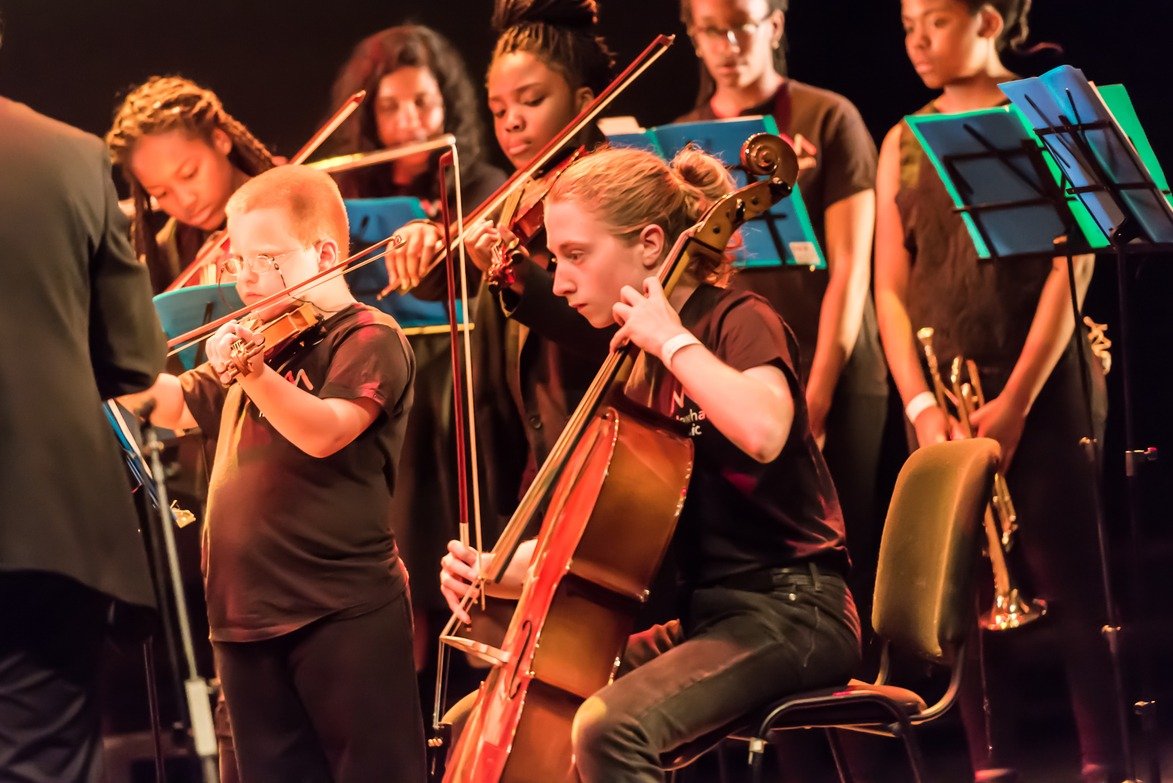
The moment you decide to share your music, your movement, or your collective voice with the world, one of the first, most pivotal steps isn't about the perfect chord or the synchronized step—it's about the name. Choosing a compelling name for your Duos, Choirs, and Ensembles is more than just a label; it's the very first note of your brand's symphony, setting the stage for connection, recognition, and lasting impact.
A great name transcends a simple identifier. It’s a promise, an invitation, and a statement of who you are and what you stand for. It needs to resonate with your audience, reflect your unique artistic vision, and stick in their minds long after the last note fades. But how do you distill the essence of your group into a few potent words, especially when the dynamics range from an intimate duo to a soaring choir or a complex ensemble?
This guide cuts through the noise, offering seasoned advice and actionable strategies for Naming for Specific Music Group Formats (Duos, Choirs, Ensembles), ensuring your chosen name hits all the right notes.
At a Glance: Your Naming Blueprint
- Identity First: Your name must reflect your group's unique style, mission, and personality.
- Memorability is Key: Opt for names that are easy to remember, pronounce, and share.
- Uniqueness Matters: Stand out from the crowd and avoid confusion with existing acts.
- Check Availability: Before you commit, ensure your desired name is free across digital platforms and for legal use.
- Audience Connection: A good name helps your target audience understand and connect with your art.
- Future-Proofing: Choose a name that can grow and evolve with your group's journey.
The Undeniable Power of a Perfect Name
Imagine a listener searching for a new sound, a promoter booking an act, or a fan trying to tell a friend about your incredible performance. Your name is the bridge to all these connections. It's the headline that draws them in, the mnemonic that helps them recall, and the emblem that represents your collective effort.
For musicians and dancers alike, a carefully chosen name establishes your identity, sets the tone for your performances, and helps audiences immediately grasp your style, energy, and artistic vision. It’s not just about sounding cool; it’s about strategic communication. A weak or forgettable name can hinder your reach, dilute your brand, and leave you struggling for recognition in a crowded artistic landscape. Conversely, a strong, resonant name becomes a foundational asset, a rallying cry for your members, and a beacon for your audience.
The Universal Naming Toolkit: Principles for Any Group Size
While the specific nuances of naming a duo differ from naming a choir or a larger ensemble, several core principles remain constant. These are the foundational elements you should consider, regardless of your group's format:
1. Authenticity: Reflect Your Essence
Your name should be a mirror reflecting your genre, your personality, and your overarching mission. Are you a high-energy rock duo, a serene classical choir, or an experimental jazz ensemble? The name should hint at, or even explicitly state, this identity. It must feel genuine to everyone involved, ensuring unity within the group and clarity for your audience. A name that doesn't align with your sound or movement can create dissonance and confusion.
2. Memorability & Pronounceability: Keep It Simple, Smarty
Can people remember it after hearing it once? Can they say it easily? Can they spell it without a struggle? Long, convoluted, or difficult-to-pronounce names are hurdles, not highways, to connection. Aim for something catchy, rhythmic, and distinct. Short, punchy names often work best, but a slightly longer, evocative name can also be memorable if it tells a clear story.
3. Uniqueness: Stand Out, Don't Blend In
In a world teeming with talent, originality is currency. A unique name helps you carve out your own space, preventing confusion with other groups and protecting your artistic individuality. Brainstorm widely, and then narrow down to options that feel distinctively yours. This step is crucial for long-term branding and avoiding potential legal headaches down the road.
4. Availability Check: The Digital Litmus Test
Before you fall in love with a name, put it through the digital wringer. Check social media handles (Instagram, TikTok, X, Facebook), streaming platforms (Spotify, Apple Music), YouTube, and domain name registrars. An available name across these platforms ensures consistency in your online presence, which is non-negotiable in today's digital music landscape. You want your fans to find you effortlessly.
5. Visual & Auditory Appeal: How It Looks and Sounds
Consider how the name will look in print—on posters, merchandise, album art, and website. Does it translate well visually? Is it easy to design a logo around? Equally important, how does it sound when announced on stage? Does it have a good cadence, a strong presence? A name that rolls off the tongue and looks sharp is a double win.
6. Storytelling: What Narrative Does It Evoke?
The best names often tell a mini-story or evoke a strong image or emotion. Does your name conjure feelings of nostalgia, excitement, mystery, or joy? Does it hint at a particular theme or philosophy? Thinking about the narrative power of your name can elevate it from a simple label to a compelling brand element.
Naming Duos: Crafting an Intimate Identity
Duos—whether musical, vocal, or dance—thrive on chemistry, shared vision, and a tightly woven artistic bond. Your name should reflect this intimate connection and the unique dynamic you bring to the stage. It's about two becoming one, yet each retaining their distinct voice.
Actionable Steps for Duo Naming
- Brainstorm Shared Experiences: Think about inside jokes, memorable places, significant dates, or emotions that define your partnership. These personal touches can lead to genuinely unique and authentic names.
- Describe Your Style: Jot down adjectives and nouns that describe your music or movement. Is it fiery, ethereal, gritty, playful, sophisticated?
- Fuse Your Identities: Often, duo names combine elements from each member or create a new entity that represents both. For instance, combining parts of your last names or creating a portmanteau.
- Reflect the Genre: As the ground truth highlights, the name should clearly align with your musical or dance genre. A punk duo won't likely succeed with a name like "Velvet & Honey."
Categories and Examples for Duo Names
The possibilities are vast, but here's how names often align with different styles, drawing from insights into creative duo names:
Music Duos
- Timeless & Sophisticated: Aria & Sonata, Virtuoso & Maestro – Names that speak to classical elegance or refined skill.
- Rock: Riff & Roll, Thunder & Lightning – Energetic, powerful, and often a bit rebellious.
- Jazz: Blue Note, Swing & Sway – Evoking classic jazz elements, smooth rhythms, or improvisational spirit.
- Blues & Southern Rock: Delta & Chicago, Whiskey & Wail – Referencing geographic origins or the raw emotion of the genre.
- Pop & Pop/Dance: Beat & Pulse, Neon & Nova – Catchy, modern, and often vibrant.
- Rap & Hip-hop: Bars & Beats, Spitfire & Flow – Highlighting lyrical prowess and rhythmic foundations.
- Country: Boots & Spurs, Whiskey & Rye – Reflecting rustic themes, storytelling, or classic country imagery.
- Disco: Boogie & Bounce, Glitter & Groove – Fun, danceable, and reminiscent of the disco era.
- EDM & Electronic: Bass & Drop, Synth & Surge – Technical, futuristic, and energetic.
- Metal & Hard Rock: Iron & Steel, Shred & Dread – Aggressive, powerful, and heavy.
- Singer-songwriter & Indie/Alternative: Wildwood & Willow, Ember & Ash – Often poetic, introspective, and earthy.
- Gospel & Worship: Grace & Glory, Faith & Fire – Spiritually inspired and uplifting.
- R&B & Soul: Velvet & Honey, Soul & Serenade – Smooth, rich, and emotionally resonant.
- Punk: Riot & Ruin, Chaos & Chords – Edgy, defiant, and rebellious.
Dance Duos
- Hip-hop & Street Dance: Break & Bounce, Beat & Bass – Dynamic, rhythmic, and urban.
- Ballroom & Latin Dance: Tango & Tempest, Rhythm & Romance – Passionate, elegant, and evocative of specific dance styles.
- Contemporary & Modern Dance: Echo & Ember, Moon & Motion – Abstract, fluid, and expressive.
- Tap Dance: Click & Clack, Shuffle & Slide – Onomatopoeic, playful, and percussive.
- Ballet: Grace & Glory, Prima & Pas – Elegant, classical, and refined.
- Jazz & Broadway Dance: Spotlight & Starlight, Encore & Elegance – Showy, theatrical, and energetic.
- Freestyle & Experimental Dance: Chaos & Control, Motion & Mind – Unpredictable, conceptual, and innovative.
- K-Pop & Choreography-based: Neon & Nova, Pulse & Power – Modern, visually striking, and high-energy.
Pitfalls to Avoid for Duos:
- Overly Generic Pairings: "The Two" or "Acoustic Duo" are functional but lack personality.
- Confusing Personal Names: While some duos use their surnames, simply combining "Smith & Jones" might not be unique enough unless they're already famous.
- Clichés: Avoid names that are overly used within your genre, unless you can give it a fresh twist.
A strong duo name should immediately give an audience a sense of your style, much like "The White Stripes" immediately conveyed a stripped-down, raw rock aesthetic, even if it didn't explicitly mention "rock." For more creative inspiration, consider leveraging a comprehensive guide on duo branding tips.
Naming Choirs: Echoing Unity and Resonance
Choirs are unique in that they represent a collective voice, a harmony born from many individuals. The name must evoke this sense of unity, mission, and the specific sound or style of the group. Choirs are often referred to as ensembles, chorales, or vocal groups, and their names frequently communicate their core purpose or desired impact.
Focusing Your Choir Naming Strategy
- Mission & Aspiration: What does your choir aim to achieve? Is it spiritual, educational, community-focused, or performance-driven?
- Style & Repertoire: Do you specialize in classical, gospel, pop, sacred, or show choir arrangements? The name should hint at this.
- Community & Identity: Many choirs draw their identity from their location, a specific demographic (youth, senior), or a cultural heritage.
Categories and Examples for Choir Names
Inspired by the strategies for harmonizing with a choir's identity, here are typical naming approaches:
- Fun & Creative: These names aim to be catchy and light-hearted, suitable for community or pop-focused choirs. Examples include Harmony Hive, Vocal Vibes, Melody Makers, Chord Charmers.
- Regional & Cultural: Connecting to a specific place or heritage builds local pride and identity. Examples: Harmony Highlands, Coastal Voices, Prairie Chords, Alpine Echo. The famous Vienna Boys Choir is a prime example of a regional name combined with a descriptor.
- Children and Youth: These names often convey innocence, joy, and potential. Examples: Harmony Sparks, Joyful Notes, Radiant Voices, Celestial Tunes.
- Religious/Sacred: Names for religious groups often reference faith, grace, or divine inspiration.
- Religious (General): Grace Notes, Holy Echo, Faith Harmony, Sacred Sound.
- Church Choir Group Names: Grace Harmony, Faith Resonance, Holy Echoes, Divine Praise.
- Choir Names In The Bible: Holy Harmony, Zion Singers, Celestial Praise, Seraphim Song.
- Christian Choir Group Names: Spirit Voices, Graceful Melodies, Kingdom Chords, Hopeful Praise.
- Show Choir Group Names: These are energetic and often dramatic, designed for performance-oriented groups. Examples: Harmony Blaze, Vocal Radiance, Crescendo Stars, Echo Fusion.
- Christmas Choir Group Names: Festive and seasonal, evoking warmth and holiday cheer. Examples: Holly Harmonies, Sleigh Serenade, Noel Notes, Festive Voices.
The "Five Voices" Inspiration
Remembering the traditional five voices in a choir—soprano, alto, tenor, baritone, and bass—can also spark creative ideas. Perhaps a name that hints at this full spectrum of sound, like "Five-Part Harmony" or "The Vocal Spectrum," could work.
Pitfalls to Avoid for Choirs:
- Too Generic: Names like "The Community Choir" are accurate but uninspiring.
- Overly Long or Complex: Hard to remember and announce.
- Confusing with Other Organizations: Ensure your name doesn't sound like a local school, church, or business.
For a deeper dive into crafting a name that truly resonates with your choir's spirit and mission, exploring a dedicated choir naming strategy guide can provide additional insights.
Naming Ensembles: The Art of Collective Identity
The term "ensemble" is broad, encompassing groups from trios and quartets to orchestras and big bands. It often suggests a more formal or structured group, frequently with instrumental focus, though vocal ensembles also fall under this umbrella. Naming an ensemble requires considering its size, instrumentation, genre, and the specific niche it aims to fill.
Distinguishing Your Ensemble
Ensembles differ from duos in their multi-member complexity and often from choirs in their predominant instrumental nature (though many vocal groups proudly call themselves ensembles). Your name should convey:
- Instrumentation: Is it a brass ensemble, a string quartet, a percussion ensemble, or a mixed instrumentation group?
- Genre: Classical, jazz, folk, contemporary, experimental?
- Size (Sometimes): While not always explicit, a name can imply intimacy (e.g., "Trio") or grandeur ("Symphonic Collective").
- Purpose/Vision: What kind of musical experience do you offer?
Frameworks for Ensemble Naming
- Descriptive Names: Straightforward and informative, these names tell you exactly what you're getting.
- Examples: The Modern Jazz Quartet, London Brass, The String Theory Trio, Percussion Collective.
- Benefit: Clarity and immediate understanding for the audience.
- Evocative/Abstract Names: These names create a mood, suggest a feeling, or allude to a concept without being explicit. They leave more to the imagination.
- Examples: Opus 7, Aether Ensemble, Resonare, Nimbus Collective, The Chromatic Circle.
- Benefit: Intrigue, uniqueness, and allows for artistic interpretation.
- Location-Based Names: A common and effective strategy, especially for community or professional orchestras and classical groups.
- Examples: The Philadelphia Orchestra, Bay Area Collective, Berlin Philharmonic, The London Symphony Orchestra.
- Benefit: Connects the group to a specific place, fostering local identity and support.
- Founder/Leader-Based Names: Often used for established groups led by a renowned individual.
- Examples: The Glenn Miller Orchestra, The Dave Brubeck Quartet.
- Benefit: Capitalizes on the leader's reputation and artistic vision.
- Mission/Style-Based Names: Reflecting a specific era, style, or artistic goal.
- Examples: Renaissance Voices (a vocal ensemble specializing in early music), Avant-Garde Collective, Baroque Fusion Ensemble.
- Benefit: Appeals directly to audiences interested in that specific style.
Pitfalls to Avoid for Ensembles:
- Too Generic: "The Music Ensemble" conveys nothing specific.
- Overly Technical: Unless your audience is highly specialized, avoid names that are too niche or obscure.
- Lack of Clarity: If your name is too abstract, ensure your branding and marketing clearly communicate what kind of music you play.
Ensembles, by their nature, often require a name that projects professionalism and artistic integrity. Whether it's the refined simplicity of "The Kronos Quartet" or the grand scale of "The Chicago Symphony Orchestra," the name must carry the weight of the collective's artistic ambition. Finding the right balance between specificity and evocative power can elevate your group. For more inspiration on how to encapsulate your group's unique sound, consider exploring effective strategies for creative ensemble names.
Beyond the Brainstorm: The Practical Checklist for Finalizing Your Name
You've brainstormed, debated, and perhaps even settled on a favorite. But before you print those business cards or launch your website, there are a few crucial practical steps.
1. Legal Check & Registration
This is non-negotiable.
- Trademark Search: Inquire if your chosen name is already trademarked in your region or industry. A quick search through your country's intellectual property office (e.g., USPTO in the US) is a must.
- Business Name Registration: Depending on your legal structure (e.g., LLC, partnership), you may need to register your group's name with state or local authorities.
2. Audience Test: Get an Outside Perspective
Don't operate in a vacuum. Share your top three to five name ideas with a small, trusted group—friends, fellow musicians, potential fans, or mentors. Ask them:
- What does this name make you think of?
- Is it easy to remember and pronounce?
- Does it fit our music/dance style?
- Any negative connotations?
Their feedback can be invaluable, helping you catch potential misinterpretations or confirming your top choice.
3. Future-Proofing: Will It Grow With You?
Consider your long-term vision. If you start as an "Acoustic Folk Duo" but plan to electrify your sound or expand your lineup, that name might quickly become restrictive. Choose a name with enough flexibility to accommodate potential evolution in your style, genre, or size.
4. Merchandise & Branding: A Visual Test
How does the name look on a mock-up T-shirt, an album cover, or a concert poster? Does it lend itself to a compelling logo design? A name that is visually appealing and easy to brand is a significant advantage.
5. Domain & Social Handles: Your Digital Footprint
We mentioned this earlier, but it bears repeating. Having a consistent username across all major social media platforms and a matching website domain (e.g., yourgroupname.com) is critical for discoverability and professional presentation. If your exact name isn't available, explore slight variations (e.g., adding "official," "music," or your city).
These practical steps are just as important as the creative process. A brilliant name that you can't use online or legally protect is ultimately unusable. Considering the holistic picture from the outset will save you significant headaches later. For a deeper dive into the broader aspects of promoting your artistic endeavor, it's always wise to learn about effective music group marketing strategies.
Common Questions & Smart Answers About Group Naming
It's natural to have lingering questions when such an important decision is on the table. Here are some quick answers to common naming dilemmas:
Q: How long should a group name be?
A: Generally, shorter names (1-3 words) are more memorable and easier to brand. However, an evocative phrase can also work if it’s truly unique and flows well. Aim for punchy and concise over lengthy and clunky.
Q: Should we use our personal names in the group name?
A: For duos, this can be very effective, emphasizing the personal chemistry (e.g., "Simon & Garfunkel"). For larger groups, it's less common unless one member is the clear leader or founder with established recognition (e.g., "The Glenn Miller Orchestra"). If you go this route, ensure both parties are comfortable with the long-term commitment.
Q: What if our chosen name is already taken?
A: Don't despair! This is a common occurrence. Go back to your brainstorm list, consider slight variations, or find a synonym that evokes a similar feeling. It's much better to discover this early than after you've invested in branding. This is precisely why the availability check is so critical.
Q: How important is a name for marketing and audience connection?
A: Extremely important. Your name is often the very first point of contact and impression. A strong name can pique curiosity, clearly communicate your style, and make you instantly recognizable. It's a cornerstone of your brand identity and hugely impacts your discoverability.
Q: Can a group name change later?
A: Yes, but it's a significant undertaking. A name change effectively means a complete rebranding: new logos, social media handles, website, legal registrations, and rebuilding audience recognition. It's doable, especially for newer groups, but it's best to try and get it right the first time to avoid this substantial effort.
Your Next Harmony: Turning Inspiration Into Identity
Choosing a name for your duo, choir, or ensemble is a creative journey, an act of intentional identity formation. It demands introspection, collaboration, and a keen awareness of how you want to be perceived. The right name won't just attract an audience; it will galvanize your members, articulate your artistic vision, and become synonymous with the magic you create.
Don't rush the process, but don't overthink it to the point of paralysis either. Embrace the brainstorming, test your favorites, and ultimately, trust your gut feeling. A great name is an investment in your future, a powerful tool in your artistic arsenal, and the first step towards building a lasting legacy.
If you find yourself stuck, or just want to explore a wider range of possibilities, remember that creative tools can be a fantastic springboard. Don't hesitate to check out a music group name generator to spark fresh ideas and discover names you might not have considered. The perfect name is waiting to be discovered, ready to lead your ensemble into the spotlight.